
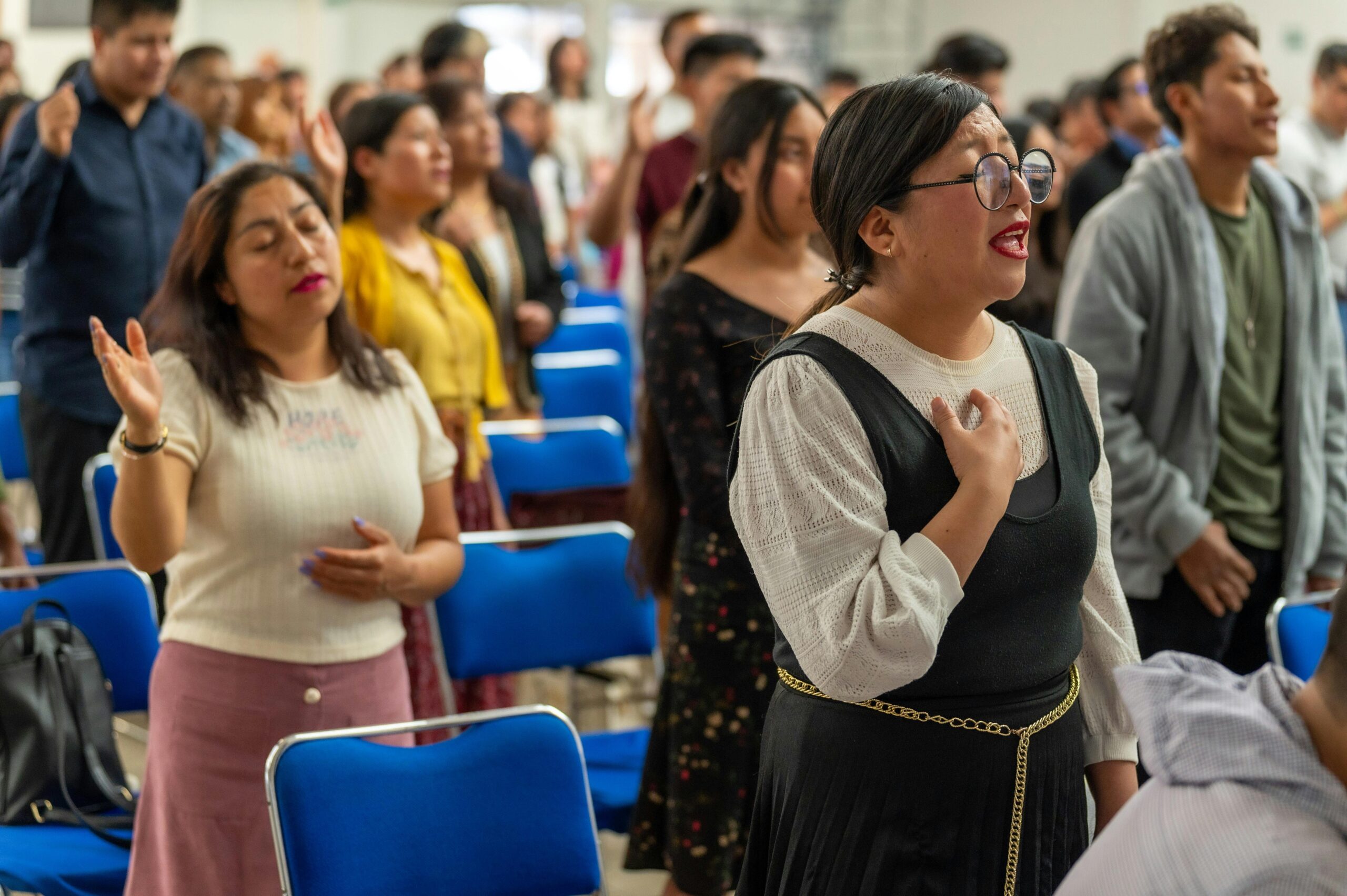
The New Testament makes it clear on the value of belonging to a local church body.
However, we live in a consumeristic world, that focuses on our personal needs being met. It is part of the entitlement culture that is one of those intrinsic character traits we struggle with. It is fascinating to notice how this consumeristic heart has crept into the church. One of the evidences of this is to see how people move from one church to the next. If their needs aren’t met in one congregation they move to the next. We need to move away from a consumeristic culture.
There are several motivating factors that encourage people to become members of a local church. These include but are not limited to:
A sense of belonging:
Generally speaking, people want to feel that they belong. One can walk into any church gathering on a Sunday and you can feel that you belong or not. What creates this sense of belonging is the warm and friendly welcome first time visitors receive when they walk in. Each person who attends a church for the first time expresses the desire to feel that they belong.
Authentic relationships:
God is a God of relationship. One of the things people long for is relationship. We were designed for relationship. One of the places where relationships are experienced are within community. The early church depended on community. The word community comes from the Greek word, ‘koinonia’. In a Biblical sense it means community, communion, joint participation and sharing.
We first come across this word in the New Testament as it describes what the early church looked like. In Acts 2:42-47, we get a glimpse of what church community ought to look like. In this passage we see what authentic relationships looked like in the early church. A few things to take note of that was taking place. There was a devotion to the apostles’ teaching and fellowship. They broke bread together. They had all things in common. They sold all their possessions and gave the proceeds to those in need. They attended the temple together. They had generous hearts. They praised God.
This is a model that all local churches should aspire to.
The love of Jesus:
Jesus is quite clear on the commandment to love one another. People are drawn to the love of Jesus. What is this love? This love is a self-sacrificing love. A willing to lay my life down for others type of love. It is the love that Jesus loves the church with. Jesus gave the church an example to follow.
- What does it mean to be a member of a local church?
New Testament structure
The Epistles were written to local church communities. Each of these communities were organised in such a way that believers would form part of a local church. Acts 2:42-47 gives an indication of this expectation.
We form part of one body
Those who come to faith in Jesus form part of His body. We are members of His body. Paul uses this metaphor in his letter to the Corinthians. 1 Corinthians 12:12-31, describes this metaphor in detail. It also outlines that we are all members fulfilling a unique function within the body. We all need each other and we cannot function independently from one another.
The Priesthood of all believers
The New Testament also refers to believers as belonging to the Priesthood of all believers. In 1 Peter 2, Peter gives a description of what this means. Firstly, he writes that as we come to know Jesus we are built up as a spiritual house, a holy priesthood. The church is this spiritual house built on the chief Cornerstone Jesus Christ.
A believer becomes part of this spiritual household. “But you are a chosen race, a royal priesthood, a holy nation.” (1 Peter 2:9 ESV) What this means that is being a member of Christ’s church we share in the very same promises as the people of Israel in the Old Testament. It is God who makes us part of His household. This model is also expressed within a local church.
The implications of this is that we belong to God, we are His possession. Secondly, we are to proclaim the excellencies of Him who saved us.
Our lives are to display the life transforming power of God. Our lives are a demonstration of God’s grace in our lives.
The transition from attendance to membership
Research shows that 20% of any congregation does 80% of the work. There is a distinction between an attendee and a member of a local church. The transition from an attendee to a member means that the move is made from feeling accepted and blessed to becoming involved in the body up. “…to equip the saints for the work of ministry, for building up of the body of Christ.” (Eph4:12)
It requires a commitment to serve and not to be served. It is a transition from being a passive observer to an active participant in the Kingdom of God seeking to bring Him all the honour and glory.
The value of church membership is about experiencing the blessings of Christ as a community of believers. We were created for relationship and we experience this in community.


